


July 16, 2025
CVD Risks in Women and Children: Why Preventive Care Matters?
Protect women and children from often-overlooked heart risks with early screening, lifestyle changes, and AI-powered preventive care tailored for Indian families.
Author:
Kavya Dave
Cardiovascular disease (CVD) has long been misunderstood as something that mainly affects older men. This misconception has led to underdiagnosis, undertreatment, and a serious neglect of heart health in women and children.
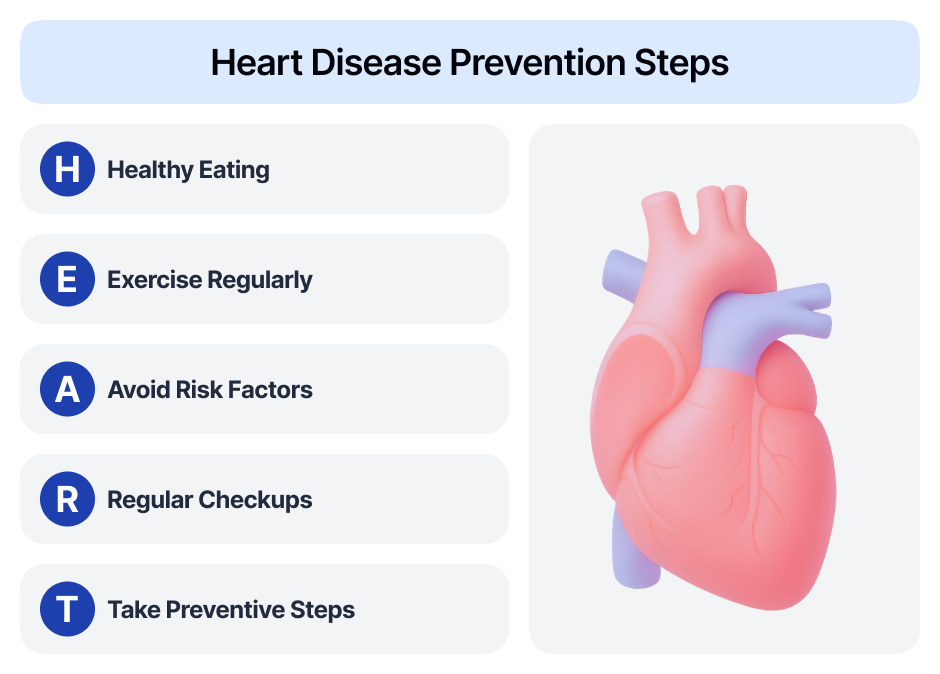
In India, the reality is alarming. CVD is the leading cause of death among women, claiming nearly 800,000 lives annually before the age of 70. Childrens are affected more by congenital heart defects or lifestyle-related risks that are on the rise.
This blog brings attention to the often-overlooked heart health risks in women and children and explores the causes, warning signs, and why preventive care should be front and center.
Basic Understanding of CVD in Women and Children
Cardiovascular disease is not just an older adult problem. In women and children, it can present differently and too often it gets missed.
In women, CVD risk escalates after menopause due to the decline of estrogen, a hormone that offers some protection to the heart. Despite this, many women are not screened or treated in time.
Children may be born with congenital heart defects (CHDs) or develop problems later due to infections, poor nutrition, or sedentary lifestyles. Some conditions require surgery, but many can be managed if caught early.
The common thread? Subtle symptoms, underdiagnosis, and low awareness. Recognizing these patterns early can prevent long-term health issues and save lives.
Common Types of Heart Disease in Children and Teens
Many heart conditions in children go unnoticed until they cause serious complications. Here are the most common:
- Congenital Heart Defects (CHD): Structural problems like ventricular or atrial septal defects, hypoplastic left heart syndrome, and tetralogy of Fallot often need early surgical care.
- Arrhythmias: Irregular heartbeats like supraventricular tachycardia or bradycardia can cause dizziness or fainting and may require medication.
- Kawasaki Disease & Rheumatic Heart Disease: Inflammatory conditions linked to infections that can damage arteries or valves if not treated promptly.
- Atherosclerosis: Fat buildup in arteries can begin in childhood, especially in those with obesity or diabetes.
- Myocarditis, Pericarditis, and Heart Murmurs: These conditions may result from infections or underlying issues but are often manageable with timely care.
Early diagnosis and ongoing care can allow children with heart issues to lead full, active lives
The Growing Cardiovascular Burden in Indian Women
CVD is the number one killer of Indian women, responsible for nearly 800,000 deaths annually and more than half are premature.
Factors include:
- Rising obesity and abdominal fat
- High blood pressure and diabetes
- Increased tobacco use, particularly smokeless forms
- Hormonal shifts after menopause
- Low physical activity and poor dietary habits
Women also face cultural and systemic barriers like less access to healthcare, delayed diagnoses, and lower chances of receiving life-saving treatments. Bridging this gender gap requires both medical awareness and social change.
Hidden Risk Factors in Women and Children
Many risk factors for cardiovascular disease in women and children often go unnoticed, either because they don’t show early symptoms or because they're misunderstood. Recognizing these hidden risks is critical for prevention.
For Women:
- Hormonal Changes: After menopause, the drop in estrogen increases LDL cholesterol and blood pressure, elevating CVD risk.
- Mental Health: Anxiety, depression, and chronic stress can affect heart health, especially when left untreated.
- Social Bias: Women’s symptoms are often downplayed, leading to missed or delayed diagnoses.
For Children:
- Childhood Infections: Diseases like rheumatic fever and Kawasaki disease can silently damage heart valves and arteries.
- Poor Nutrition: High salt and sugar intake, often overlooked in daily snacks, contributes to early metabolic changes.
- Sedentary Habits: Screen-heavy routines and minimal physical activity are fueling obesity and hypertension in kids.
These subtle yet serious factors often escape early screenings and routine checkups. Awareness among parents, educators, and healthcare professionals helps identify and manage these risks before they lead to long-term heart problems.
Addressing Gaps in Awareness and Treatment
Heart disease in women and children remains underdiagnosed and undertreated. Key issues include:
- Low Awareness in Rural Areas: Hypertension awareness in rural women is just 25%, with only 1–6% having it under control.
- Lack of Regular Screenings: Routine checks for BP, cholesterol, and diabetes are still uncommon for younger women and adolescents.
- Healthcare Disparities: Women get fewer life-saving interventions and prescriptions. Children in low-income groups often lack access to diagnostics.
- Inadequate Training: Doctors often miss atypical symptoms in women and children, leading to delays in treatment.
To close these gaps, India needs community-based education, policy support, and better clinical training.
Actionable Steps to Improve Heart Health
Preventing heart disease in women and children is entirely possible with early and consistent actions. The goal is to combine awareness, screening, and better lifestyle choices with access to quality healthcare.
Here are steps we can take:
- Start Early: Introduce heart health education in schools and create awareness campaigns for adolescent girls and parents.
- Routine Screenings: Encourage annual blood pressure, cholesterol, and BMI checks for women and at-risk children.
- Physical Activity: Promote 30–60 minutes of daily movement through school programs and community efforts.
- Nutrition Awareness: Reduce processed foods and sugary drinks; increase fruits, vegetables, and fiber intake.
- Tobacco Control: Strengthen anti-tobacco education, especially in rural schools and among young women.
- Accessible Care: Improve access to medications, diagnostic tests, and emergency care in underserved areas.
- Empower with Information: Train healthcare providers to identify non-classic heart symptoms in women and kids.
These interventions don’t need high-cost infrastructure, they need strong intent, right policies, and consistent community engagement. When done right, these actions can help lower premature heart disease risk for generations.
The Role of AI and Digital Health in Preventive Cardiology
As healthcare systems look for scalable, early-stage interventions, Artificial Intelligence (AI) is emerging as a powerful ally in predicting and preventing cardiovascular disease, especially among high-risk groups like women and children.
AI for Early Detection
AI algorithms can analyze ECGs, wearable data, and medical histories to flag heart anomalies early even before symptoms appear. This is especially helpful in children with undiagnosed congenital issues or women with non-traditional heart attack symptoms.
Remote Monitoring and Wearables
Smart devices now track heart rate, blood pressure, and even irregular rhythms in real time. This data helps detect problems early and enables continuous care, especially for underserved areas where routine doctor visits are rare.
Personalized Risk Profiles
AI tools can assess individual risk by factoring in gender, age, family history, lifestyle, and biometrics. This helps tailor screening and prevention strategies for women and adolescents with subtle warning signs.
Decision Support for Doctors
Clinical decision-support tools powered by AI help doctors make faster, more accurate judgments about treatments, especially in emergency settings where women and children are often misdiagnosed.
In a country like India, where gaps in access and awareness are still wide, AI can make heart care more proactive, inclusive, and data-driven, bringing preventive care closer to those who need it most.
A Call to Action for Preventive Heart Health in Women and Children
Cardiovascular disease in women and children is a growing but preventable crisis. With rising premature deaths among women and early risk factors emerging in children, prevention must be a national priority.
Helius Wellness stresses the importance of early screenings, lifestyle education, equal access to care, and smarter use of technology like AI to change the future of heart health. It’s time we act!
Start early, stay aware, and prioritize the heart health of those often overlooked.





India’s first AI-powered NCD diagnostics network.
Follow Us


Helius Wellness 2026. All Rights Reserved
July 16, 2025
CVD Risks in Women and Children: Why Preventive Care Matters?
Protect women and children from often-overlooked heart risks with early screening, lifestyle changes, and AI-powered preventive care tailored for Indian families.
Author:
Kavya Dave
Cardiovascular disease (CVD) has long been misunderstood as something that mainly affects older men. This misconception has led to underdiagnosis, undertreatment, and a serious neglect of heart health in women and children.
In India, the reality is alarming. CVD is the leading cause of death among women, claiming nearly 800,000 lives annually before the age of 70. Childrens are affected more by congenital heart defects or lifestyle-related risks that are on the rise.
This blog brings attention to the often-overlooked heart health risks in women and children and explores the causes, warning signs, and why preventive care should be front and center.
Basic Understanding of CVD in Women and Children
Cardiovascular disease is not just an older adult problem. In women and children, it can present differently and too often it gets missed.
In women, CVD risk escalates after menopause due to the decline of estrogen, a hormone that offers some protection to the heart. Despite this, many women are not screened or treated in time.
Children may be born with congenital heart defects (CHDs) or develop problems later due to infections, poor nutrition, or sedentary lifestyles. Some conditions require surgery, but many can be managed if caught early.
The common thread? Subtle symptoms, underdiagnosis, and low awareness. Recognizing these patterns early can prevent long-term health issues and save lives.
Common Types of Heart Disease in Children and Teens
Many heart conditions in children go unnoticed until they cause serious complications. Here are the most common:
- Congenital Heart Defects (CHD): Structural problems like ventricular or atrial septal defects, hypoplastic left heart syndrome, and tetralogy of Fallot often need early surgical care.
- Arrhythmias: Irregular heartbeats like supraventricular tachycardia or bradycardia can cause dizziness or fainting and may require medication.
- Kawasaki Disease & Rheumatic Heart Disease: Inflammatory conditions linked to infections that can damage arteries or valves if not treated promptly.
- Atherosclerosis: Fat buildup in arteries can begin in childhood, especially in those with obesity or diabetes.
- Myocarditis, Pericarditis, and Heart Murmurs: These conditions may result from infections or underlying issues but are often manageable with timely care.
Early diagnosis and ongoing care can allow children with heart issues to lead full, active lives
The Growing Cardiovascular Burden in Indian Women
CVD is the number one killer of Indian women, responsible for nearly 800,000 deaths annually and more than half are premature.
Factors include:
- Rising obesity and abdominal fat
- High blood pressure and diabetes
- Increased tobacco use, particularly smokeless forms
- Hormonal shifts after menopause
- Low physical activity and poor dietary habits
Women also face cultural and systemic barriers like less access to healthcare, delayed diagnoses, and lower chances of receiving life-saving treatments. Bridging this gender gap requires both medical awareness and social change.
Hidden Risk Factors in Women and Children
Many risk factors for cardiovascular disease in women and children often go unnoticed, either because they don’t show early symptoms or because they're misunderstood. Recognizing these hidden risks is critical for prevention.
For Women:
- Hormonal Changes: After menopause, the drop in estrogen increases LDL cholesterol and blood pressure, elevating CVD risk.
- Mental Health: Anxiety, depression, and chronic stress can affect heart health, especially when left untreated.
- Social Bias: Women’s symptoms are often downplayed, leading to missed or delayed diagnoses.
For Children:
- Childhood Infections: Diseases like rheumatic fever and Kawasaki disease can silently damage heart valves and arteries.
- Poor Nutrition: High salt and sugar intake, often overlooked in daily snacks, contributes to early metabolic changes.
- Sedentary Habits: Screen-heavy routines and minimal physical activity are fueling obesity and hypertension in kids.
These subtle yet serious factors often escape early screenings and routine checkups. Awareness among parents, educators, and healthcare professionals helps identify and manage these risks before they lead to long-term heart problems.
Addressing Gaps in Awareness and Treatment
Heart disease in women and children remains underdiagnosed and undertreated. Key issues include:
- Low Awareness in Rural Areas: Hypertension awareness in rural women is just 25%, with only 1–6% having it under control.
- Lack of Regular Screenings: Routine checks for BP, cholesterol, and diabetes are still uncommon for younger women and adolescents.
- Healthcare Disparities: Women get fewer life-saving interventions and prescriptions. Children in low-income groups often lack access to diagnostics.
- Inadequate Training: Doctors often miss atypical symptoms in women and children, leading to delays in treatment.
To close these gaps, India needs community-based education, policy support, and better clinical training.
Actionable Steps to Improve Heart Health
Preventing heart disease in women and children is entirely possible with early and consistent actions. The goal is to combine awareness, screening, and better lifestyle choices with access to quality healthcare.
Here are steps we can take:
- Start Early: Introduce heart health education in schools and create awareness campaigns for adolescent girls and parents.
- Routine Screenings: Encourage annual blood pressure, cholesterol, and BMI checks for women and at-risk children.
- Physical Activity: Promote 30–60 minutes of daily movement through school programs and community efforts.
- Nutrition Awareness: Reduce processed foods and sugary drinks; increase fruits, vegetables, and fiber intake.
- Tobacco Control: Strengthen anti-tobacco education, especially in rural schools and among young women.
- Accessible Care: Improve access to medications, diagnostic tests, and emergency care in underserved areas.
- Empower with Information: Train healthcare providers to identify non-classic heart symptoms in women and kids.
These interventions don’t need high-cost infrastructure, they need strong intent, right policies, and consistent community engagement. When done right, these actions can help lower premature heart disease risk for generations.
The Role of AI and Digital Health in Preventive Cardiology
As healthcare systems look for scalable, early-stage interventions, Artificial Intelligence (AI) is emerging as a powerful ally in predicting and preventing cardiovascular disease, especially among high-risk groups like women and children.
AI for Early Detection
AI algorithms can analyze ECGs, wearable data, and medical histories to flag heart anomalies early even before symptoms appear. This is especially helpful in children with undiagnosed congenital issues or women with non-traditional heart attack symptoms.
Remote Monitoring and Wearables
Smart devices now track heart rate, blood pressure, and even irregular rhythms in real time. This data helps detect problems early and enables continuous care, especially for underserved areas where routine doctor visits are rare.
Personalized Risk Profiles
AI tools can assess individual risk by factoring in gender, age, family history, lifestyle, and biometrics. This helps tailor screening and prevention strategies for women and adolescents with subtle warning signs.
Decision Support for Doctors
Clinical decision-support tools powered by AI help doctors make faster, more accurate judgments about treatments, especially in emergency settings where women and children are often misdiagnosed.
In a country like India, where gaps in access and awareness are still wide, AI can make heart care more proactive, inclusive, and data-driven, bringing preventive care closer to those who need it most.
A Call to Action for Preventive Heart Health in Women and Children
Cardiovascular disease in women and children is a growing but preventable crisis. With rising premature deaths among women and early risk factors emerging in children, prevention must be a national priority.
Helius Wellness stresses the importance of early screenings, lifestyle education, equal access to care, and smarter use of technology like AI to change the future of heart health. It’s time we act!
Start early, stay aware, and prioritize the heart health of those often overlooked.
India’s first AI-powered NCD diagnostics network.
Helius Wellness 2026. All Rights Reserved
Follow Us
July 16, 2025
CVD Risks in Women and Children: Why Preventive Care Matters?
Protect women and children from often-overlooked heart risks with early screening, lifestyle changes, and AI-powered preventive care tailored for Indian families.
Author:
Kavya Dave
Cardiovascular disease (CVD) has long been misunderstood as something that mainly affects older men. This misconception has led to underdiagnosis, undertreatment, and a serious neglect of heart health in women and children.
In India, the reality is alarming. CVD is the leading cause of death among women, claiming nearly 800,000 lives annually before the age of 70. Childrens are affected more by congenital heart defects or lifestyle-related risks that are on the rise.
This blog brings attention to the often-overlooked heart health risks in women and children and explores the causes, warning signs, and why preventive care should be front and center.
Basic Understanding of CVD in Women and Children
Cardiovascular disease is not just an older adult problem. In women and children, it can present differently and too often it gets missed.
In women, CVD risk escalates after menopause due to the decline of estrogen, a hormone that offers some protection to the heart. Despite this, many women are not screened or treated in time.
Children may be born with congenital heart defects (CHDs) or develop problems later due to infections, poor nutrition, or sedentary lifestyles. Some conditions require surgery, but many can be managed if caught early.
The common thread? Subtle symptoms, underdiagnosis, and low awareness. Recognizing these patterns early can prevent long-term health issues and save lives.
Common Types of Heart Disease in Children and Teens
Many heart conditions in children go unnoticed until they cause serious complications. Here are the most common:
- Congenital Heart Defects (CHD): Structural problems like ventricular or atrial septal defects, hypoplastic left heart syndrome, and tetralogy of Fallot often need early surgical care.
- Arrhythmias: Irregular heartbeats like supraventricular tachycardia or bradycardia can cause dizziness or fainting and may require medication.
- Kawasaki Disease & Rheumatic Heart Disease: Inflammatory conditions linked to infections that can damage arteries or valves if not treated promptly.
- Atherosclerosis: Fat buildup in arteries can begin in childhood, especially in those with obesity or diabetes.
- Myocarditis, Pericarditis, and Heart Murmurs: These conditions may result from infections or underlying issues but are often manageable with timely care.
Early diagnosis and ongoing care can allow children with heart issues to lead full, active lives
The Growing Cardiovascular Burden in Indian Women
CVD is the number one killer of Indian women, responsible for nearly 800,000 deaths annually and more than half are premature.
Factors include:
- Rising obesity and abdominal fat
- High blood pressure and diabetes
- Increased tobacco use, particularly smokeless forms
- Hormonal shifts after menopause
- Low physical activity and poor dietary habits
Women also face cultural and systemic barriers like less access to healthcare, delayed diagnoses, and lower chances of receiving life-saving treatments. Bridging this gender gap requires both medical awareness and social change.
Hidden Risk Factors in Women and Children
Many risk factors for cardiovascular disease in women and children often go unnoticed, either because they don’t show early symptoms or because they're misunderstood. Recognizing these hidden risks is critical for prevention.
For Women:
- Hormonal Changes: After menopause, the drop in estrogen increases LDL cholesterol and blood pressure, elevating CVD risk.
- Mental Health: Anxiety, depression, and chronic stress can affect heart health, especially when left untreated.
- Social Bias: Women’s symptoms are often downplayed, leading to missed or delayed diagnoses.
For Children:
- Childhood Infections: Diseases like rheumatic fever and Kawasaki disease can silently damage heart valves and arteries.
- Poor Nutrition: High salt and sugar intake, often overlooked in daily snacks, contributes to early metabolic changes.
- Sedentary Habits: Screen-heavy routines and minimal physical activity are fueling obesity and hypertension in kids.
These subtle yet serious factors often escape early screenings and routine checkups. Awareness among parents, educators, and healthcare professionals helps identify and manage these risks before they lead to long-term heart problems.
Addressing Gaps in Awareness and Treatment
Heart disease in women and children remains underdiagnosed and undertreated. Key issues include:
- Low Awareness in Rural Areas: Hypertension awareness in rural women is just 25%, with only 1–6% having it under control.
- Lack of Regular Screenings: Routine checks for BP, cholesterol, and diabetes are still uncommon for younger women and adolescents.
- Healthcare Disparities: Women get fewer life-saving interventions and prescriptions. Children in low-income groups often lack access to diagnostics.
- Inadequate Training: Doctors often miss atypical symptoms in women and children, leading to delays in treatment.
To close these gaps, India needs community-based education, policy support, and better clinical training.
Actionable Steps to Improve Heart Health
Preventing heart disease in women and children is entirely possible with early and consistent actions. The goal is to combine awareness, screening, and better lifestyle choices with access to quality healthcare.
Here are steps we can take:
- Start Early: Introduce heart health education in schools and create awareness campaigns for adolescent girls and parents.
- Routine Screenings: Encourage annual blood pressure, cholesterol, and BMI checks for women and at-risk children.
- Physical Activity: Promote 30–60 minutes of daily movement through school programs and community efforts.
- Nutrition Awareness: Reduce processed foods and sugary drinks; increase fruits, vegetables, and fiber intake.
- Tobacco Control: Strengthen anti-tobacco education, especially in rural schools and among young women.
- Accessible Care: Improve access to medications, diagnostic tests, and emergency care in underserved areas.
- Empower with Information: Train healthcare providers to identify non-classic heart symptoms in women and kids.
These interventions don’t need high-cost infrastructure, they need strong intent, right policies, and consistent community engagement. When done right, these actions can help lower premature heart disease risk for generations.
The Role of AI and Digital Health in Preventive Cardiology
As healthcare systems look for scalable, early-stage interventions, Artificial Intelligence (AI) is emerging as a powerful ally in predicting and preventing cardiovascular disease, especially among high-risk groups like women and children.
AI for Early Detection
AI algorithms can analyze ECGs, wearable data, and medical histories to flag heart anomalies early even before symptoms appear. This is especially helpful in children with undiagnosed congenital issues or women with non-traditional heart attack symptoms.
Remote Monitoring and Wearables
Smart devices now track heart rate, blood pressure, and even irregular rhythms in real time. This data helps detect problems early and enables continuous care, especially for underserved areas where routine doctor visits are rare.
Personalized Risk Profiles
AI tools can assess individual risk by factoring in gender, age, family history, lifestyle, and biometrics. This helps tailor screening and prevention strategies for women and adolescents with subtle warning signs.
Decision Support for Doctors
Clinical decision-support tools powered by AI help doctors make faster, more accurate judgments about treatments, especially in emergency settings where women and children are often misdiagnosed.
In a country like India, where gaps in access and awareness are still wide, AI can make heart care more proactive, inclusive, and data-driven, bringing preventive care closer to those who need it most.
A Call to Action for Preventive Heart Health in Women and Children
Cardiovascular disease in women and children is a growing but preventable crisis. With rising premature deaths among women and early risk factors emerging in children, prevention must be a national priority.
Helius Wellness stresses the importance of early screenings, lifestyle education, equal access to care, and smarter use of technology like AI to change the future of heart health. It’s time we act!
Start early, stay aware, and prioritize the heart health of those often overlooked.

India’s first AI-powered NCD diagnostics network.
Helius Wellness 2026. All Rights Reserved
Follow Us