


June 24, 2025
Heart Health in Young Adults: The Role of AI in Preventive Care
AI-powered insights to detect heart risks early and help young adults protect their hearts with smarter, personalized preventive care.
Author:
Paresh Masani
Though adults are usually the focus when we talk about heart disease, children can also face serious heart conditions. Childhood heart problems are rare, and congenital heart defects (CHD) often come to mind first. But cardiomyopathy is another serious condition that affects children.
Cardiomyopathy impacts the heart muscle, making it harder for the heart to pump blood properly. While it may not be as commonly discussed as CHD, it can have serious consequences for growth, development, and overall well-being. The challenge is that many families do not realize that young children may also face such conditions, which means diagnosis is often delayed.
By spreading awareness, offering clear information, and supporting parents with the right resources, we can help ensure children with cardiomyopathy receive care at the earliest stage possible. Early conversations about this condition open the door to better health outcomes and stronger support systems for families.
What is Cardiomyopathy in Children?
Cardiomyopathy is a disease of the heart muscle that reduces its ability to pump blood efficiently. Over time, this weakness or stiffness in the heart muscle can lead to heart failure, life-threatening arrhythmias, or even sudden cardiac arrest.
Unlike adult heart disease, which is often linked to lifestyle factors like smoking, obesity, or diabetes, cardiomyopathy in children is more often associated with genetic factors, infections, or underlying medical conditions.
Why Awareness of Cardiomyopathies is So Important?
Unlike congenital heart defects (CHD), which are often detected soon after birth, cardiomyopathy can develop months or even years later. This makes it trickier to spot, and many children don’t show obvious symptoms until the condition has progressed.
Reasons awareness is important:
- Silent progression: A child may appear healthy but still have underlying heart muscle weakness.
- Misdiagnosis risk: Fatigue, poor appetite, or fainting might be mistaken for minor health issues or even “laziness.
- High-risk outcomes: Cardiomyopathy is a leading cause of sudden cardiac death in young athletes. Many tragic incidents reported globally, including in India, involve children collapsing during school sports.
- Better prognosis with early care: When diagnosed early, many children can manage the disease with medication and lifestyle changes, avoiding severe complications.
Imagine a 10-year-old boy in a school football match. He faints suddenly on the field. While everyone assumes it’s dehydration, later evaluation reveals hypertrophic cardiomyopathy (HCM) — a condition that thickens the heart muscle. If caught earlier, this risk could have been managed with monitoring and activity restrictions.
This is the reason awareness campaigns are essential not just among parents, but also teachers, coaches, and healthcare providers.
Types of Cardiomyopathy Conditions in Children
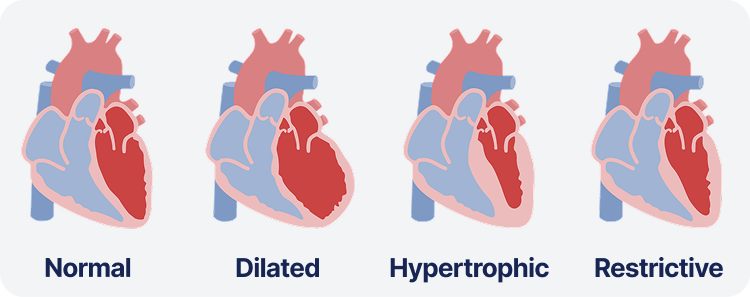
There are three main types of cardiomyopathy conditions seen in children. Knowing each of them well is better as it requires a different approach to care.
1. Dilated Cardiomyopathy (DCM)
This is the most common type found in children. In dilated cardiomyopathy, the heart muscle becomes weak and stretched, which reduces the ability of the heart to pump blood efficiently. Children with DCM may appear unusually tired, may struggle with feeding, or may have trouble gaining weight. In severe cases, it can lead to heart failure.
2. Hypertrophic Cardiomyopathy (HCM)
In hypertrophic cardiomyopathy, the heart muscle becomes abnormally thick. While it may not always cause symptoms, it can make it harder for the heart to relax and fill with blood. This condition is sometimes linked with sudden cardiac arrest in young athletes, making it particularly concerning.
3. Restrictive Cardiomyopathy (RCM)
This is one of the rarest types in children. In restrictive cardiomyopathy, the heart muscle becomes stiff, making it difficult for the heart to fill properly with blood. As a result, the heart cannot supply the body with enough oxygen, which can cause fatigue, swelling, and difficulty breathing.
4. Other Rare Types of Cardiomyopathy in Children
There are other forms like arrhythmogenic right ventricular cardiomyopathy and left ventricular non-compaction. Although rare, they can still pose serious risks and require specialized medical attention.
Causes of Cardiomyopathy in Children
The causes vary widely and can be as follows:
- Genetic mutations (inherited conditions)
- Infections (viral myocarditis damaging the heart muscle)
- Metabolic or mitochondrial disorders
- Autoimmune diseases
- Toxin or chemotherapy exposure
- Unknown causes (idiopathic) – nearly half of cases, no clear reason found
Symptoms of Cardiomyopathy Every Parent Should Look For
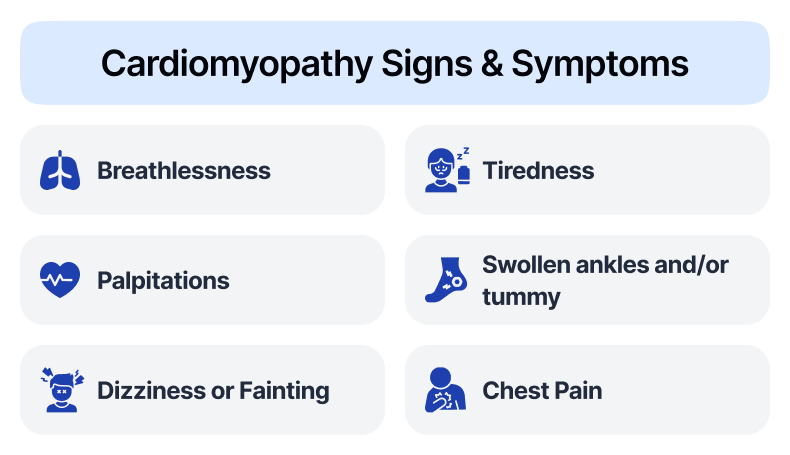
The tricky part is that symptoms often mimic common childhood issues. Parents should be alert if their child shows:
- Fatigue or low energy
- Shortness of breath (especially during play or at night)
- Swelling in the legs, ankles, or abdomen
- Fainting spells or dizziness
- Rapid or irregular heartbeat
- Difficulty feeding (in infants)
- Poor growth or weight gain
These may or may not always mean heart disease, but if they persist or worsen, a pediatric cardiology evaluation is necessary.
Diagnosis: How Doctors Detect Cardiomyopathy in Children?
Diagnosing cardiomyopathy requires a combination of medical history, physical examination, and advanced tests.
Doctors may use echocardiograms, electrocardiograms (ECG), chest X-rays, or cardiac MRI to look closely at the heart’s structure and function. Genetic testing may also be recommended, especially if there is a family history of the condition.
Early diagnosis makes a difference. Children who are diagnosed in the early stages can often be managed with medications and lifestyle changes before the condition progresses to more severe outcomes.
Treatment Options Available for Cardiomyopathic Conditions in Children
Treatment depends on type and severity, but it usually involves a mix of:
Medications
Drugs may be prescribed to manage symptoms, improve heart function, or regulate heart rhythm. These include beta-blockers, ACE inhibitors, and diuretics.
Lifestyle Management
Adjustments in daily activities may be recommended, such as limiting strenuous exercise, following a healthy diet, and monitoring fluid intake.
Medical Devices
In severe cases, devices like pacemakers or implantable cardioverter defibrillators (ICDs) may be used to regulate heart rhythm and prevent sudden complications.
Surgery and Transplants
For children with advanced cardiomyopathy who do not respond to other treatments, surgery or heart transplantation may be necessary.
Prognosis: Living with Cardiomyopathy and Long-Term Care in Children
The long-term outlook for children with cardiomyopathy depends on the type, severity, and how early it is detected. Some children live relatively normal lives with regular monitoring and medications, while others may face more serious challenges.
Ongoing care is a must. Children with cardiomyopathy need regular check-ups, tests, and sometimes lifelong treatment. Emotional and psychological support for both the child and the family also plays an important role in long-term care.
The Role of AI & Healthtech in Pediatric Heart Care

Technology is reshaping how we detect and manage pediatric heart conditions:
- AI-powered ECG analysis can flag early arrhythmias.
- Wearables (like smartwatches) monitor heart rate and detect abnormalities.
- Remote monitoring apps help doctors track a child’s progress at home.
- Predictive analytics identify children at higher risk of CVD complications.
For rare diseases like cardiomyopathy, AI offers hope for faster diagnosis, personalized treatment, and better long-term outcomes.
Raising Awareness: What Parents Can Do to Support Children with Cardiomyopathy?
According to the Pediatric Cardiomyopathy Registry (PCMR), about 1 in 100,000 children are diagnosed with cardiomyopathy each year worldwide.
- Know the symptoms and seek early evaluation.
- Share family medical history. Many cases are genetic.
- Join support groups to connect with other families.
- Advocate for better healthcare access especially in underserved communities.
- Encourage healthy routines: balanced diet, safe activity, regular check-ups.
Awareness campaigns and conversations reduce stigma and ensure that no child suffers in silence.
Protecting Little Hearts for a Better Future!
Cardiomyopathy in children is rare, but its impact is profound. From genetic inheritance to environmental triggers, it can silently affect young hearts, often without warning.
Helius Wellness strongly believes that with early diagnosis, advanced treatment, and parental awareness, many children can live healthier, fuller lives.
Technology, AI, and community awareness add another layer of hope, ensuring that families don’t feel alone in this fight.
Every child deserves a strong, healthy heart and together, we can make that possible.


India’s first AI-powered NCD diagnostics network.


Helius Wellness 2026. All Rights Reserved

June 24, 2025
Heart Health in Young Adults: The Role of AI in Preventive Care
AI-powered insights to detect heart risks early and help young adults protect their hearts with smarter, personalized preventive care.
Author:
Paresh Masani
Though adults are usually the focus when we talk about heart disease, children can also face serious heart conditions. Childhood heart problems are rare, and congenital heart defects (CHD) often come to mind first. But cardiomyopathy is another serious condition that affects children.
Cardiomyopathy impacts the heart muscle, making it harder for the heart to pump blood properly. While it may not be as commonly discussed as CHD, it can have serious consequences for growth, development, and overall well-being. The challenge is that many families do not realize that young children may also face such conditions, which means diagnosis is often delayed.
By spreading awareness, offering clear information, and supporting parents with the right resources, we can help ensure children with cardiomyopathy receive care at the earliest stage possible. Early conversations about this condition open the door to better health outcomes and stronger support systems for families.
What is Cardiomyopathy in Children?
Cardiomyopathy is a disease of the heart muscle that reduces its ability to pump blood efficiently. Over time, this weakness or stiffness in the heart muscle can lead to heart failure, life-threatening arrhythmias, or even sudden cardiac arrest.
Unlike adult heart disease, which is often linked to lifestyle factors like smoking, obesity, or diabetes, cardiomyopathy in children is more often associated with genetic factors, infections, or underlying medical conditions.
Why Awareness of Cardiomyopathies is So Important?
Unlike congenital heart defects (CHD), which are often detected soon after birth, cardiomyopathy can develop months or even years later. This makes it trickier to spot, and many children don’t show obvious symptoms until the condition has progressed.
Reasons awareness is important:
- Silent progression: A child may appear healthy but still have underlying heart muscle weakness.
- Misdiagnosis risk: Fatigue, poor appetite, or fainting might be mistaken for minor health issues or even “laziness.
- High-risk outcomes: Cardiomyopathy is a leading cause of sudden cardiac death in young athletes. Many tragic incidents reported globally, including in India, involve children collapsing during school sports.
- Better prognosis with early care: When diagnosed early, many children can manage the disease with medication and lifestyle changes, avoiding severe complications.
Imagine a 10-year-old boy in a school football match. He faints suddenly on the field. While everyone assumes it’s dehydration, later evaluation reveals hypertrophic cardiomyopathy (HCM) — a condition that thickens the heart muscle. If caught earlier, this risk could have been managed with monitoring and activity restrictions.
This is the reason awareness campaigns are essential not just among parents, but also teachers, coaches, and healthcare providers.
Types of Cardiomyopathy Conditions in Children
There are three main types of cardiomyopathy conditions seen in children. Knowing each of them well is better as it requires a different approach to care.
1. Dilated Cardiomyopathy (DCM)
This is the most common type found in children. In dilated cardiomyopathy, the heart muscle becomes weak and stretched, which reduces the ability of the heart to pump blood efficiently. Children with DCM may appear unusually tired, may struggle with feeding, or may have trouble gaining weight. In severe cases, it can lead to heart failure.
2. Hypertrophic Cardiomyopathy (HCM)
In hypertrophic cardiomyopathy, the heart muscle becomes abnormally thick. While it may not always cause symptoms, it can make it harder for the heart to relax and fill with blood. This condition is sometimes linked with sudden cardiac arrest in young athletes, making it particularly concerning.
3. Restrictive Cardiomyopathy (RCM)
This is one of the rarest types in children. In restrictive cardiomyopathy, the heart muscle becomes stiff, making it difficult for the heart to fill properly with blood. As a result, the heart cannot supply the body with enough oxygen, which can cause fatigue, swelling, and difficulty breathing.
4. Other Rare Types of Cardiomyopathy in Children
There are other forms like arrhythmogenic right ventricular cardiomyopathy and left ventricular non-compaction. Although rare, they can still pose serious risks and require specialized medical attention.
Causes of Cardiomyopathy in Children
The causes vary widely and can be as follows:
- Genetic mutations (inherited conditions)
- Infections (viral myocarditis damaging the heart muscle)
- Metabolic or mitochondrial disorders
- Autoimmune diseases
- Toxin or chemotherapy exposure
- Unknown causes (idiopathic) – nearly half of cases, no clear reason found
Symptoms of Cardiomyopathy Every Parent Should Look For
The tricky part is that symptoms often mimic common childhood issues. Parents should be alert if their child shows:
- Fatigue or low energy
- Shortness of breath (especially during play or at night)
- Swelling in the legs, ankles, or abdomen
- Fainting spells or dizziness
- Rapid or irregular heartbeat
- Difficulty feeding (in infants)
- Poor growth or weight gain
These may or may not always mean heart disease, but if they persist or worsen, a pediatric cardiology evaluation is necessary.
Diagnosis: How Doctors Detect Cardiomyopathy in Children?
Diagnosing cardiomyopathy requires a combination of medical history, physical examination, and advanced tests.
Doctors may use echocardiograms, electrocardiograms (ECG), chest X-rays, or cardiac MRI to look closely at the heart’s structure and function. Genetic testing may also be recommended, especially if there is a family history of the condition.
Early diagnosis makes a difference. Children who are diagnosed in the early stages can often be managed with medications and lifestyle changes before the condition progresses to more severe outcomes.
Treatment Options Available for Cardiomyopathic Conditions in Children
Treatment depends on type and severity, but it usually involves a mix of:
Medications
Drugs may be prescribed to manage symptoms, improve heart function, or regulate heart rhythm. These include beta-blockers, ACE inhibitors, and diuretics.
Lifestyle Management
Adjustments in daily activities may be recommended, such as limiting strenuous exercise, following a healthy diet, and monitoring fluid intake.
Medical Devices
In severe cases, devices like pacemakers or implantable cardioverter defibrillators (ICDs) may be used to regulate heart rhythm and prevent sudden complications.
Surgery and Transplants
For children with advanced cardiomyopathy who do not respond to other treatments, surgery or heart transplantation may be necessary.
Prognosis: Living with Cardiomyopathy and Long-Term Care in Children
The long-term outlook for children with cardiomyopathy depends on the type, severity, and how early it is detected. Some children live relatively normal lives with regular monitoring and medications, while others may face more serious challenges.
Ongoing care is a must. Children with cardiomyopathy need regular check-ups, tests, and sometimes lifelong treatment. Emotional and psychological support for both the child and the family also plays an important role in long-term care.
The Role of AI & Healthtech in Pediatric Heart Care
Technology is reshaping how we detect and manage pediatric heart conditions:
- AI-powered ECG analysis can flag early arrhythmias.
- Wearables (like smartwatches) monitor heart rate and detect abnormalities.
- Remote monitoring apps help doctors track a child’s progress at home.
- Predictive analytics identify children at higher risk of CVD complications.
For rare diseases like cardiomyopathy, AI offers hope for faster diagnosis, personalized treatment, and better long-term outcomes.
Raising Awareness: What Parents Can Do to Support Children with Cardiomyopathy?
According to the Pediatric Cardiomyopathy Registry (PCMR), about 1 in 100,000 children are diagnosed with cardiomyopathy each year worldwide.
- Know the symptoms and seek early evaluation.
- Share family medical history. Many cases are genetic.
- Join support groups to connect with other families.
- Advocate for better healthcare access especially in underserved communities.
- Encourage healthy routines: balanced diet, safe activity, regular check-ups.
Awareness campaigns and conversations reduce stigma and ensure that no child suffers in silence.
Protecting Little Hearts for a Better Future!
Cardiomyopathy in children is rare, but its impact is profound. From genetic inheritance to environmental triggers, it can silently affect young hearts, often without warning.
Helius Wellness strongly believes that with early diagnosis, advanced treatment, and parental awareness, many children can live healthier, fuller lives.
Technology, AI, and community awareness add another layer of hope, ensuring that families don’t feel alone in this fight.
Every child deserves a strong, healthy heart and together, we can make that possible.
India’s first AI-powered NCD diagnostics network.
June 24, 2025
Heart Health in Young Adults: The Role of AI in Preventive Care
AI-powered insights to detect heart risks early and help young adults protect their hearts with smarter, personalized preventive care.
Author:
Paresh Masani
When most people think about heart disease, they picture it as an issue that mostly affects older adults. But recent trends are telling a different story — heart problems are becoming more common in younger people, including those in their 20s, 30s, and 40s. It is deeply concerning because heart attacks, heart failure, and other cardiovascular diseases (CVD) used to be rare at these ages.
In this blog post, we will highlight why heart health among young people warrants more attention, the risks involved, and how new technology can aid in detecting problems early, before they become life-threatening.
The Growing Concern: Heart Disease in Young Adults Is Rising
For decades, heart disease was mainly seen as a problem of old age. However, the last few years have seen an alarming increase in heart-related conditions among young adults. Doctors and researchers report more cases of heart attacks and heart failure in people under 50, some even under 40. These conditions often happen silently, with no obvious symptoms until a major event occurs.
Consider a real-world example of a patient in his early 40s with chronic kidney disease. Although he didn’t feel sick, he suffered a silent heart attack that eventually led to heart failure. Such cases illustrate a truth: heart disease can quietly develop long before it’s detected, especially among younger adults who may underestimate their risk.
A change in the pattern of heart disease calls for urgent attention to prevention and early detection, especially among younger populations who often think heart health isn’t their problem yet.
Why Are Heart Problems Increasing Among Young People?
Several lifestyle, environmental, and medical factors contribute to this worrying rise in heart disease among the young:
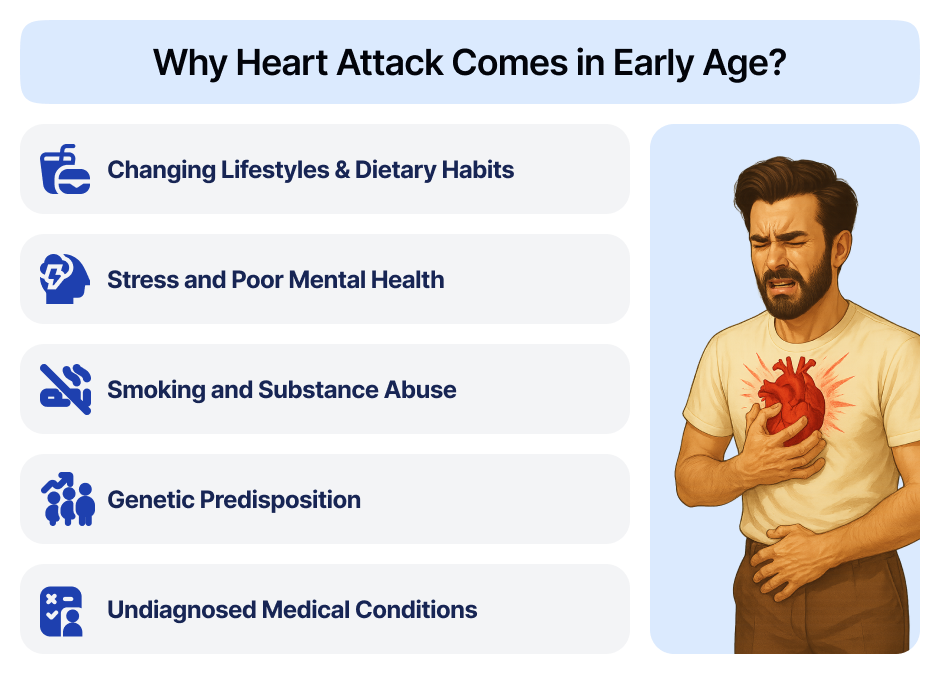
1. Sedentary Lifestyle and Poor Diet
Many young adults spend long hours sitting, whether at work, studying, or on their phones. This inactivity reduces the heart’s efficiency and contributes to weight gain. Coupled with diets high in processed foods, fast food, sugary drinks, and unhealthy fats, these habits increase the risk of obesity, high blood pressure, and diabetes, all key risk factors for heart disease.
2. Tobacco Use and Alcohol Abuse
Smoking, including vaping, damages the lining of blood vessels and promotes plaque buildup, which narrows arteries and increases the chance of heart attacks. Excessive alcohol intake weakens the heart muscle and raises blood pressure, adding to heart risk.
3. Chronic Stress and Mental Health Challenges
Young adults today face unprecedented stress levels from work pressure, financial concerns, and social issues. Chronic stress triggers harmful biological responses such as high blood pressure and systemic inflammation, both of which contribute to heart disease.
4. Undiagnosed Medical Conditions
Many young people live with hidden health problems like high blood pressure, high cholesterol, or congenital heart abnormalities without knowing it. Because symptoms may be mild or absent early on, these conditions go untreated and silently damage the heart over time.
5. Environmental Factors
Air pollution and exposure to toxins harm the cardiovascular system by causing oxidative stress and inflammation in blood vessels. Young people living in polluted urban areas face higher heart risks due to this.
6. Neglecting Routine Health Screenings
A big reason many young adults develop advanced heart disease is skipping regular health check-ups. They often feel invincible and don’t realize the importance of early testing to catch warning signs.
What Are the Major Risk Factors for Heart Disease in Young Adults?
Understanding the key risks helps young people take control of their heart health. These include:
- High Blood Pressure (Hypertension): Known as the “silent killer,” hypertension often has no symptoms but causes significant damage by putting extra strain on the heart and arteries.
- Obesity: Carrying excess weight forces the heart to work harder and is linked to diabetes, high cholesterol, and high blood pressure.
- High Cholesterol Levels: Too much LDL (bad cholesterol) leads to plaque buildup inside arteries, reducing blood flow and increasing heart attack risk.
- Diabetes: High blood sugar damages blood vessels and nerves controlling the heart.
- Kidney Disease: The kidneys and heart are closely connected; kidney issues often increase heart risk.
- Sleep Disorders: Conditions like sleep apnea cause oxygen deprivation during sleep, stressing the heart.
- Family History and Genetics: A family history of early heart disease increases one’s risk.
Recognizing Early Signs of Heart Diseases in Youngsters
Often, young people ignore subtle symptoms because they don’t think heart disease applies to them. However, being aware of early warning signs can make a huge difference:
- Unexplained fatigue or weakness
- Shortness of breath during exercise or rest
- Irregular or fast heartbeat (palpitations)
- Swelling in legs, ankles, or abdomen
- Mild chest discomfort or pressure
- Persistent coughing or wheezing
- Difficulty performing usual activities without feeling tired or breathless
If any of these symptoms appear, it’s important to seek medical advice promptly. Early diagnosis and treatment save lives.
The Life-Saving Role of AI in Early Heart Disease Detection and Prevention
Artificial Intelligence (AI) is transforming heart healthcare in remarkable ways. Here’s how AI helps protect young hearts:
Early Detection Through Advanced Imaging and Data Analysis
Traditional heart disease diagnosis often happens after symptoms appear. But AI-powered tools analyze complex heart scans and other health data to detect early signs of disease long before symptoms develop. For example, AI can identify inflammation around arteries — a key precursor to heart attacks with higher accuracy than standard methods.
A recent research study revealed that AI-based assessment of inflammation surrounding the heart arteries predicted future heart attacks and strokes much better than traditional risk scores. This means doctors can intervene earlier with lifestyle changes or medication.
Personalized Risk Profiles
AI can combine numerous data points — including genetics, lifestyle habits, blood tests, and medical history — to create a personalized heart risk score. This is far more precise than generic risk calculators and helps doctors tailor prevention strategies specific to each individual.
Making Doctor-Patient Communication Better
With clear AI-generated insights, doctors can explain risks in a simple way that helps patients understand their heart health better. This builds trust and encourages patients to follow recommendations.
Monitoring and Supporting Lifestyle Changes
Some AI tools integrate with wearable devices and apps to track physical activity, sleep patterns, and heart rhythms. This continuous monitoring helps patients stay motivated and detect early warning signs in real-time.
How Young People Can Protect Their Heart Health, Right Now?
Technology is powerful, but the foundation of heart health is still healthy habits. Here’s a simple guide to heart-smart living:
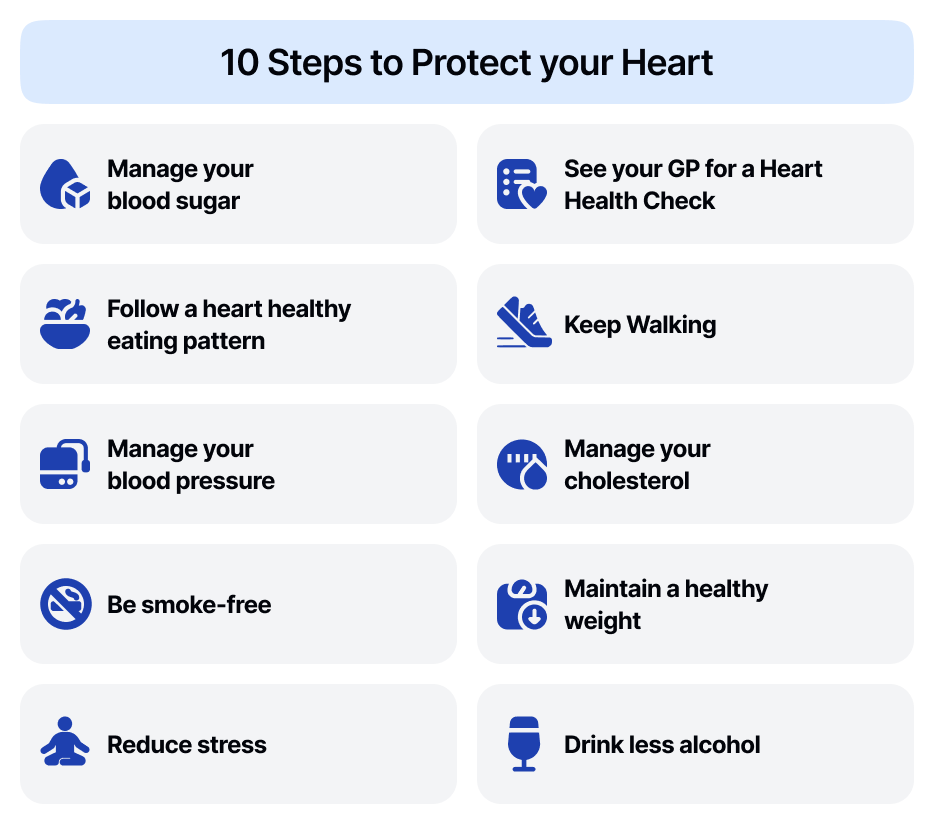
Prioritize a Nutritious Diet
Focus on whole foods: fresh fruits, vegetables, whole grains, lean proteins (like fish and beans), and healthy fats (like olive oil and nuts). Reduce consumption of processed foods, sugary beverages, and excess salt. Eating healthy lowers cholesterol, blood pressure, and inflammation.
Stay Physically Active
Aim for at least 30 minutes of moderate exercise five days a week. Activities like walking, running, swimming, yoga, or sports help maintain a healthy weight, improve blood flow, and reduce stress.
Quit Smoking and Limit Alcohol Intake
Smoking harms nearly every organ, especially the heart and lungs. Quitting reduces heart risk dramatically, even if you’ve smoked for years. Drinking alcohol in moderation — if at all also lowers heart disease risk.
Manage Stress and Mental Health
Practice relaxation techniques such as meditation, deep breathing, or mindfulness. Hobbies, socializing, and seeking professional help when needed can improve mental wellbeing and reduce harmful stress effects on the heart.
Get Regular Health Check-Ups
Don’t skip routine screenings for blood pressure, cholesterol, blood sugar, and body weight. Early detection of risk factors enables timely intervention.
Improve Sleep Quality
Aim for 7 to 9 hours of restful sleep. If you snore loudly or wake up gasping, consider consulting a doctor to check for sleep apnea.
The Importance of Family and Community Support in Heart Health
No one should face heart health challenges alone. Family and friends play a key role by:
- Encouraging healthy habits like cooking nutritious meals together and exercising as a group
- Providing emotional support during stressful times
- Helping keep track of medical appointments and medications
- Creating a positive environment that promotes wellness
Building a strong support network improves both physical and emotional heart health.
How Healthcare Providers Are Using AI to Save Young Lives?
Healthcare systems worldwide are beginning to adopt AI-driven solutions for heart health. Here are some examples:
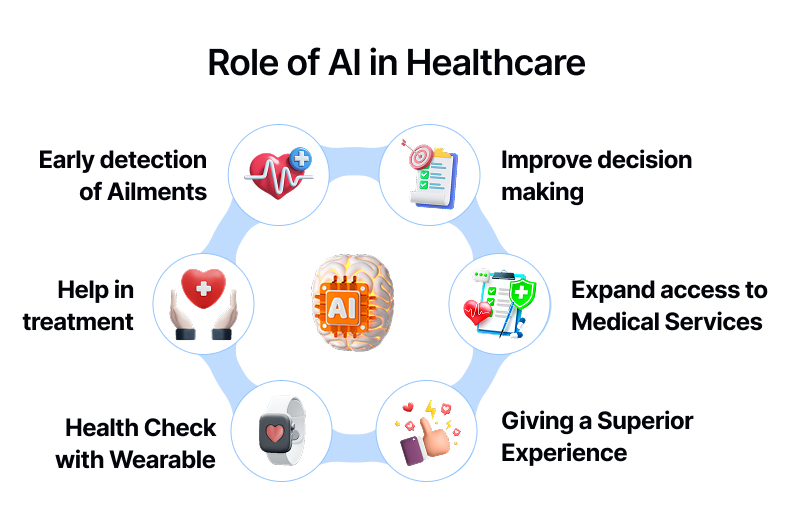
- AI-Powered Screening Programs: Some hospitals use AI to screen large numbers of young adults with no symptoms but with risk factors like obesity or diabetes. Early detection means early prevention.
- Remote Monitoring Devices: Wearable technology connected to AI platforms allows continuous heart monitoring at home. AI wearable alerts can warn patients and doctors if any abnormality is detected.
- AI Chatbots and Health Coaches: These virtual assistants provide personalized advice and reminders to support healthy lifestyle changes and medication adherence.
- Research and Development: AI helps researchers analyze large datasets to identify new heart disease patterns and develop better drugs and treatments.
Overcoming Challenges: Making AI Accessible to All Young Adults
While AI is promising, there are challenges:
- Data Privacy and Security: Protecting personal health data is crucial to build trust.
- Technology Access: Not all young people have access to smartphones or wearable devices.
- Health Literacy: Understanding AI’s role and trusting its recommendations requires education.
- Cost and Infrastructure: Integrating AI tools in healthcare requires investment and training.
Addressing these challenges is important to ensure AI benefits reach all segments of the young population.
Heart Health Starts Now — Take Preventive Care for Your Heart!
Heart disease doesn’t have to be a life sentence, especially for young adults. With the right combination of lifestyle habits, regular health checks, and the help of advanced AI technology, Helius Wellness believes that it can prevent many heart problems before they start. Early detection and personalized care empower young people to take control of their heart health and lead longer, healthier lives.
Your heart is your most vital organ — treat it with care. Whether you’re in your 20s or 40s, it’s never too early to start protecting your heart. Embrace the tools and knowledge available today, and be proactive.
India’s first AI-powered NCD diagnostics network.