


June 12, 2025
Tobacco Smoking Cessation: How to Promote Healthy Heart Care?
Quit tobacco to protect your heart with expert-backed guidance, AI-powered wearables, and simple lifestyle changes that make quitting easier and long-lasting.
Author:
Kavya Dave
Though adults are usually the focus when we talk about heart disease, children can also face serious heart conditions. Childhood heart problems are rare, and congenital heart defects (CHD) often come to mind first. But cardiomyopathy is another serious condition that affects children.
Cardiomyopathy impacts the heart muscle, making it harder for the heart to pump blood properly. While it may not be as commonly discussed as CHD, it can have serious consequences for growth, development, and overall well-being. The challenge is that many families do not realize that young children may also face such conditions, which means diagnosis is often delayed.
By spreading awareness, offering clear information, and supporting parents with the right resources, we can help ensure children with cardiomyopathy receive care at the earliest stage possible. Early conversations about this condition open the door to better health outcomes and stronger support systems for families.
What is Cardiomyopathy in Children?
Cardiomyopathy is a disease of the heart muscle that reduces its ability to pump blood efficiently. Over time, this weakness or stiffness in the heart muscle can lead to heart failure, life-threatening arrhythmias, or even sudden cardiac arrest.
Unlike adult heart disease, which is often linked to lifestyle factors like smoking, obesity, or diabetes, cardiomyopathy in children is more often associated with genetic factors, infections, or underlying medical conditions.
Why Awareness of Cardiomyopathies is So Important?
Unlike congenital heart defects (CHD), which are often detected soon after birth, cardiomyopathy can develop months or even years later. This makes it trickier to spot, and many children don’t show obvious symptoms until the condition has progressed.
Reasons awareness is important:
- Silent progression: A child may appear healthy but still have underlying heart muscle weakness.
- Misdiagnosis risk: Fatigue, poor appetite, or fainting might be mistaken for minor health issues or even “laziness.
- High-risk outcomes: Cardiomyopathy is a leading cause of sudden cardiac death in young athletes. Many tragic incidents reported globally, including in India, involve children collapsing during school sports.
- Better prognosis with early care: When diagnosed early, many children can manage the disease with medication and lifestyle changes, avoiding severe complications.
Imagine a 10-year-old boy in a school football match. He faints suddenly on the field. While everyone assumes it’s dehydration, later evaluation reveals hypertrophic cardiomyopathy (HCM) — a condition that thickens the heart muscle. If caught earlier, this risk could have been managed with monitoring and activity restrictions.
This is the reason awareness campaigns are essential not just among parents, but also teachers, coaches, and healthcare providers.
Types of Cardiomyopathy Conditions in Children
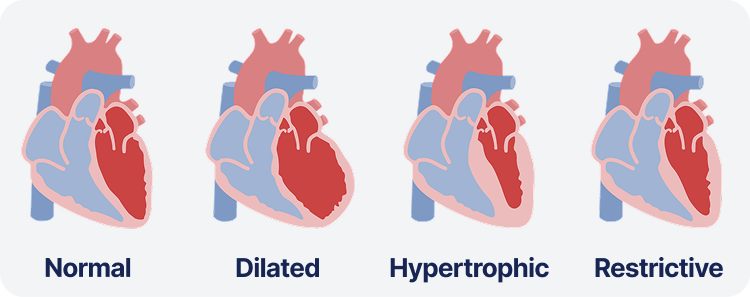
There are three main types of cardiomyopathy conditions seen in children. Knowing each of them well is better as it requires a different approach to care.
1. Dilated Cardiomyopathy (DCM)
This is the most common type found in children. In dilated cardiomyopathy, the heart muscle becomes weak and stretched, which reduces the ability of the heart to pump blood efficiently. Children with DCM may appear unusually tired, may struggle with feeding, or may have trouble gaining weight. In severe cases, it can lead to heart failure.
2. Hypertrophic Cardiomyopathy (HCM)
In hypertrophic cardiomyopathy, the heart muscle becomes abnormally thick. While it may not always cause symptoms, it can make it harder for the heart to relax and fill with blood. This condition is sometimes linked with sudden cardiac arrest in young athletes, making it particularly concerning.
3. Restrictive Cardiomyopathy (RCM)
This is one of the rarest types in children. In restrictive cardiomyopathy, the heart muscle becomes stiff, making it difficult for the heart to fill properly with blood. As a result, the heart cannot supply the body with enough oxygen, which can cause fatigue, swelling, and difficulty breathing.
4. Other Rare Types of Cardiomyopathy in Children
There are other forms like arrhythmogenic right ventricular cardiomyopathy and left ventricular non-compaction. Although rare, they can still pose serious risks and require specialized medical attention.
Causes of Cardiomyopathy in Children
The causes vary widely and can be as follows:
- Genetic mutations (inherited conditions)
- Infections (viral myocarditis damaging the heart muscle)
- Metabolic or mitochondrial disorders
- Autoimmune diseases
- Toxin or chemotherapy exposure
- Unknown causes (idiopathic) – nearly half of cases, no clear reason found
Symptoms of Cardiomyopathy Every Parent Should Look For
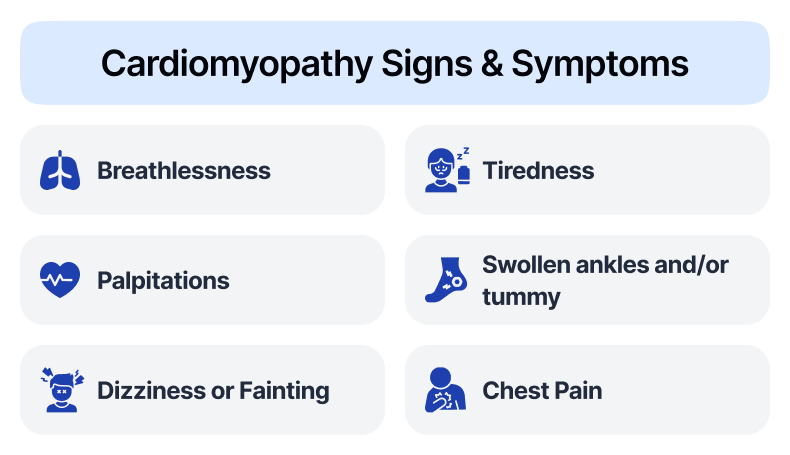
The tricky part is that symptoms often mimic common childhood issues. Parents should be alert if their child shows:
- Fatigue or low energy
- Shortness of breath (especially during play or at night)
- Swelling in the legs, ankles, or abdomen
- Fainting spells or dizziness
- Rapid or irregular heartbeat
- Difficulty feeding (in infants)
- Poor growth or weight gain
These may or may not always mean heart disease, but if they persist or worsen, a pediatric cardiology evaluation is necessary.
Diagnosis: How Doctors Detect Cardiomyopathy in Children?
Diagnosing cardiomyopathy requires a combination of medical history, physical examination, and advanced tests.
Doctors may use echocardiograms, electrocardiograms (ECG), chest X-rays, or cardiac MRI to look closely at the heart’s structure and function. Genetic testing may also be recommended, especially if there is a family history of the condition.
Early diagnosis makes a difference. Children who are diagnosed in the early stages can often be managed with medications and lifestyle changes before the condition progresses to more severe outcomes.
Treatment Options Available for Cardiomyopathic Conditions in Children
Treatment depends on type and severity, but it usually involves a mix of:
Medications
Drugs may be prescribed to manage symptoms, improve heart function, or regulate heart rhythm. These include beta-blockers, ACE inhibitors, and diuretics.
Lifestyle Management
Adjustments in daily activities may be recommended, such as limiting strenuous exercise, following a healthy diet, and monitoring fluid intake.
Medical Devices
In severe cases, devices like pacemakers or implantable cardioverter defibrillators (ICDs) may be used to regulate heart rhythm and prevent sudden complications.
Surgery and Transplants
For children with advanced cardiomyopathy who do not respond to other treatments, surgery or heart transplantation may be necessary.
Prognosis: Living with Cardiomyopathy and Long-Term Care in Children
The long-term outlook for children with cardiomyopathy depends on the type, severity, and how early it is detected. Some children live relatively normal lives with regular monitoring and medications, while others may face more serious challenges.
Ongoing care is a must. Children with cardiomyopathy need regular check-ups, tests, and sometimes lifelong treatment. Emotional and psychological support for both the child and the family also plays an important role in long-term care.
The Role of AI & Healthtech in Pediatric Heart Care

Technology is reshaping how we detect and manage pediatric heart conditions:
- AI-powered ECG analysis can flag early arrhythmias.
- Wearables (like smartwatches) monitor heart rate and detect abnormalities.
- Remote monitoring apps help doctors track a child’s progress at home.
- Predictive analytics identify children at higher risk of CVD complications.
For rare diseases like cardiomyopathy, AI offers hope for faster diagnosis, personalized treatment, and better long-term outcomes.
Raising Awareness: What Parents Can Do to Support Children with Cardiomyopathy?
According to the Pediatric Cardiomyopathy Registry (PCMR), about 1 in 100,000 children are diagnosed with cardiomyopathy each year worldwide.
- Know the symptoms and seek early evaluation.
- Share family medical history. Many cases are genetic.
- Join support groups to connect with other families.
- Advocate for better healthcare access especially in underserved communities.
- Encourage healthy routines: balanced diet, safe activity, regular check-ups.
Awareness campaigns and conversations reduce stigma and ensure that no child suffers in silence.
Protecting Little Hearts for a Better Future!
Cardiomyopathy in children is rare, but its impact is profound. From genetic inheritance to environmental triggers, it can silently affect young hearts, often without warning.
Helius Wellness strongly believes that with early diagnosis, advanced treatment, and parental awareness, many children can live healthier, fuller lives.
Technology, AI, and community awareness add another layer of hope, ensuring that families don’t feel alone in this fight.
Every child deserves a strong, healthy heart and together, we can make that possible.


India’s first AI-powered NCD diagnostics network.


Helius Wellness 2026. All Rights Reserved

June 12, 2025
Tobacco Smoking Cessation: How to Promote Healthy Heart Care?
Quit tobacco to protect your heart with expert-backed guidance, AI-powered wearables, and simple lifestyle changes that make quitting easier and long-lasting.
Author:
Kavya Dave
Though adults are usually the focus when we talk about heart disease, children can also face serious heart conditions. Childhood heart problems are rare, and congenital heart defects (CHD) often come to mind first. But cardiomyopathy is another serious condition that affects children.
Cardiomyopathy impacts the heart muscle, making it harder for the heart to pump blood properly. While it may not be as commonly discussed as CHD, it can have serious consequences for growth, development, and overall well-being. The challenge is that many families do not realize that young children may also face such conditions, which means diagnosis is often delayed.
By spreading awareness, offering clear information, and supporting parents with the right resources, we can help ensure children with cardiomyopathy receive care at the earliest stage possible. Early conversations about this condition open the door to better health outcomes and stronger support systems for families.
What is Cardiomyopathy in Children?
Cardiomyopathy is a disease of the heart muscle that reduces its ability to pump blood efficiently. Over time, this weakness or stiffness in the heart muscle can lead to heart failure, life-threatening arrhythmias, or even sudden cardiac arrest.
Unlike adult heart disease, which is often linked to lifestyle factors like smoking, obesity, or diabetes, cardiomyopathy in children is more often associated with genetic factors, infections, or underlying medical conditions.
Why Awareness of Cardiomyopathies is So Important?
Unlike congenital heart defects (CHD), which are often detected soon after birth, cardiomyopathy can develop months or even years later. This makes it trickier to spot, and many children don’t show obvious symptoms until the condition has progressed.
Reasons awareness is important:
- Silent progression: A child may appear healthy but still have underlying heart muscle weakness.
- Misdiagnosis risk: Fatigue, poor appetite, or fainting might be mistaken for minor health issues or even “laziness.
- High-risk outcomes: Cardiomyopathy is a leading cause of sudden cardiac death in young athletes. Many tragic incidents reported globally, including in India, involve children collapsing during school sports.
- Better prognosis with early care: When diagnosed early, many children can manage the disease with medication and lifestyle changes, avoiding severe complications.
Imagine a 10-year-old boy in a school football match. He faints suddenly on the field. While everyone assumes it’s dehydration, later evaluation reveals hypertrophic cardiomyopathy (HCM) — a condition that thickens the heart muscle. If caught earlier, this risk could have been managed with monitoring and activity restrictions.
This is the reason awareness campaigns are essential not just among parents, but also teachers, coaches, and healthcare providers.
Types of Cardiomyopathy Conditions in Children
There are three main types of cardiomyopathy conditions seen in children. Knowing each of them well is better as it requires a different approach to care.
1. Dilated Cardiomyopathy (DCM)
This is the most common type found in children. In dilated cardiomyopathy, the heart muscle becomes weak and stretched, which reduces the ability of the heart to pump blood efficiently. Children with DCM may appear unusually tired, may struggle with feeding, or may have trouble gaining weight. In severe cases, it can lead to heart failure.
2. Hypertrophic Cardiomyopathy (HCM)
In hypertrophic cardiomyopathy, the heart muscle becomes abnormally thick. While it may not always cause symptoms, it can make it harder for the heart to relax and fill with blood. This condition is sometimes linked with sudden cardiac arrest in young athletes, making it particularly concerning.
3. Restrictive Cardiomyopathy (RCM)
This is one of the rarest types in children. In restrictive cardiomyopathy, the heart muscle becomes stiff, making it difficult for the heart to fill properly with blood. As a result, the heart cannot supply the body with enough oxygen, which can cause fatigue, swelling, and difficulty breathing.
4. Other Rare Types of Cardiomyopathy in Children
There are other forms like arrhythmogenic right ventricular cardiomyopathy and left ventricular non-compaction. Although rare, they can still pose serious risks and require specialized medical attention.
Causes of Cardiomyopathy in Children
The causes vary widely and can be as follows:
- Genetic mutations (inherited conditions)
- Infections (viral myocarditis damaging the heart muscle)
- Metabolic or mitochondrial disorders
- Autoimmune diseases
- Toxin or chemotherapy exposure
- Unknown causes (idiopathic) – nearly half of cases, no clear reason found
Symptoms of Cardiomyopathy Every Parent Should Look For
The tricky part is that symptoms often mimic common childhood issues. Parents should be alert if their child shows:
- Fatigue or low energy
- Shortness of breath (especially during play or at night)
- Swelling in the legs, ankles, or abdomen
- Fainting spells or dizziness
- Rapid or irregular heartbeat
- Difficulty feeding (in infants)
- Poor growth or weight gain
These may or may not always mean heart disease, but if they persist or worsen, a pediatric cardiology evaluation is necessary.
Diagnosis: How Doctors Detect Cardiomyopathy in Children?
Diagnosing cardiomyopathy requires a combination of medical history, physical examination, and advanced tests.
Doctors may use echocardiograms, electrocardiograms (ECG), chest X-rays, or cardiac MRI to look closely at the heart’s structure and function. Genetic testing may also be recommended, especially if there is a family history of the condition.
Early diagnosis makes a difference. Children who are diagnosed in the early stages can often be managed with medications and lifestyle changes before the condition progresses to more severe outcomes.
Treatment Options Available for Cardiomyopathic Conditions in Children
Treatment depends on type and severity, but it usually involves a mix of:
Medications
Drugs may be prescribed to manage symptoms, improve heart function, or regulate heart rhythm. These include beta-blockers, ACE inhibitors, and diuretics.
Lifestyle Management
Adjustments in daily activities may be recommended, such as limiting strenuous exercise, following a healthy diet, and monitoring fluid intake.
Medical Devices
In severe cases, devices like pacemakers or implantable cardioverter defibrillators (ICDs) may be used to regulate heart rhythm and prevent sudden complications.
Surgery and Transplants
For children with advanced cardiomyopathy who do not respond to other treatments, surgery or heart transplantation may be necessary.
Prognosis: Living with Cardiomyopathy and Long-Term Care in Children
The long-term outlook for children with cardiomyopathy depends on the type, severity, and how early it is detected. Some children live relatively normal lives with regular monitoring and medications, while others may face more serious challenges.
Ongoing care is a must. Children with cardiomyopathy need regular check-ups, tests, and sometimes lifelong treatment. Emotional and psychological support for both the child and the family also plays an important role in long-term care.
The Role of AI & Healthtech in Pediatric Heart Care
Technology is reshaping how we detect and manage pediatric heart conditions:
- AI-powered ECG analysis can flag early arrhythmias.
- Wearables (like smartwatches) monitor heart rate and detect abnormalities.
- Remote monitoring apps help doctors track a child’s progress at home.
- Predictive analytics identify children at higher risk of CVD complications.
For rare diseases like cardiomyopathy, AI offers hope for faster diagnosis, personalized treatment, and better long-term outcomes.
Raising Awareness: What Parents Can Do to Support Children with Cardiomyopathy?
According to the Pediatric Cardiomyopathy Registry (PCMR), about 1 in 100,000 children are diagnosed with cardiomyopathy each year worldwide.
- Know the symptoms and seek early evaluation.
- Share family medical history. Many cases are genetic.
- Join support groups to connect with other families.
- Advocate for better healthcare access especially in underserved communities.
- Encourage healthy routines: balanced diet, safe activity, regular check-ups.
Awareness campaigns and conversations reduce stigma and ensure that no child suffers in silence.
Protecting Little Hearts for a Better Future!
Cardiomyopathy in children is rare, but its impact is profound. From genetic inheritance to environmental triggers, it can silently affect young hearts, often without warning.
Helius Wellness strongly believes that with early diagnosis, advanced treatment, and parental awareness, many children can live healthier, fuller lives.
Technology, AI, and community awareness add another layer of hope, ensuring that families don’t feel alone in this fight.
Every child deserves a strong, healthy heart and together, we can make that possible.
India’s first AI-powered NCD diagnostics network.
June 12, 2025
Tobacco Smoking Cessation: How to Promote Healthy Heart Care?
Quit tobacco to protect your heart with expert-backed guidance, AI-powered wearables, and simple lifestyle changes that make quitting easier and long-lasting.
Author:
Kavya Dave
Smoking tobacco is one of the major causes of heart and blood vessel diseases worldwide. Even with all the warnings and health campaigns, more than a billion people still smoke.
Every year, millions of those smokers face early deaths from heart attacks, strokes, and other cardiovascular problems caused by tobacco use.
The World Health Organization says smoking causes almost 10% of all heart-related deaths globally. This makes quitting smoking one of the most important steps you can take to protect your heart.
Smoking harms your heart and blood vessels in many ways. It can cause narrowing of arteries, increase the chance of blood clots, raise bad cholesterol, and cause inflammation inside your blood vessels. These changes make heart attacks and strokes much more likely.
But the good news is that quitting smoking cuts these risks dramatically. The body starts to heal right away when you stop. Still, quitting is not easy because nicotine is very addictive, and smoking often becomes a hard habit to break.
Advances in wearable technology with simple lifestyle changes, offer new ways to support quitting. These tools track your body’s signals and give personalized feedback to help manage cravings, reduce stress, and keep you motivated.
In this blog post, we’ll look at how smoking is harmful to your heart health and why quitting is so important. You will learn how AI-powered wearables and lifestyle changes can help you in tobacco smoking cessation.
How Smoking Harms Your Heart and Blood Vessels?
To understand why smoking is so bad for your heart, let’s look at what happens inside your body when you light up.
Damage to the Blood Vessel Lining
Inside your blood vessels is a thin layer of cells called the endothelium. This lining helps keep your vessels flexible, controls blood flow, and stops clots from forming when they’re not needed.
When you smoke, chemicals like nicotine and carbon monoxide enter your bloodstream. These chemicals damage the endothelium by causing inflammation and oxidative stress, which means your body produces harmful molecules called free radicals.
One important effect of smoking is the reduction of nitric oxide. This molecule helps your vessels relax and stay open. With less nitric oxide, your blood vessels become narrow and stiff. This makes it harder for blood to flow and sets the stage for plaque buildup, also known as atherosclerosis.
Inflammation and Plaque Formation
Smoking triggers chronic inflammation. Your immune system reacts to the damage by sending cells to repair it, but this response can go overboard. The inflammation causes immune cells to collect in your arteries and take up fats, forming plaques.
These plaques narrow your arteries and can rupture suddenly. When they rupture, a blood clot can form quickly and block blood flow, causing a heart attack or stroke.
Thicker Blood and Clot Risks
Nicotine and other chemicals in tobacco increase the stickiness of your blood platelets. Platelets are cells that help blood clot to stop bleeding. When they become too active, clots can form inside your arteries, which is dangerous. Smoking also raises fibrinogen, a protein that helps clots form.
At the same time, it lowers the activity of the system that breaks down clots. This imbalance means your blood is more likely to clot when it shouldn’t, increasing the risk of heart attacks and strokes.
Unhealthy Cholesterol Levels
Smoking affects your blood fats. It raises levels of low-density lipoprotein (LDL), the “bad” cholesterol, and triglycerides, while lowering high-density lipoprotein (HDL), the “good” cholesterol. Such a mix accelerates the formation of plaques in your arteries.
Nicotine also stimulates your nervous system to release stress hormones like adrenaline, which raise blood sugar and free fatty acids in your blood. These changes make your body less sensitive to insulin, increasing the risk of diabetes, which is another risk factor for heart disease.
Why Quitting Smoking Protects Your Heart Fast?
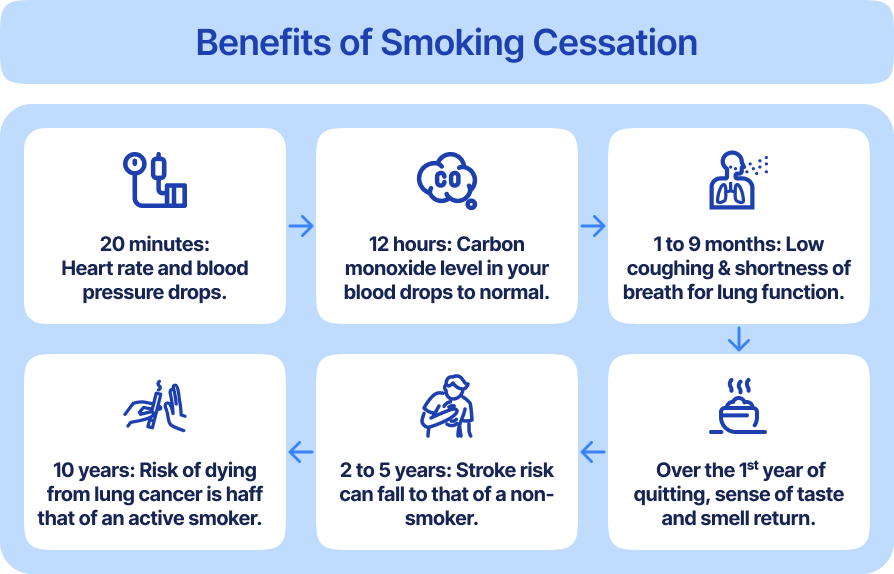
The moment you stop smoking, your body starts to repair itself. The changes happen quickly and keep improving with time:
- Within 20 minutes, your heart rate and blood pressure begin to drop towards normal.
- Within 12 hours, the carbon monoxide level in your blood returns to normal, improving oxygen delivery.
- Within weeks, the blood vessels start working better, and inflammation goes down.
- Within one year, your risk of coronary heart disease falls by about half.
- Within 5 to 15 years, your risk of stroke and heart attack drops to levels similar to someone who never smoked.
These improvements show “it’s never too late to quit”. Even if you’ve smoked for decades, your heart health can get better with time.
How Wearable Technology Helps You Quit Smoking?
Quitting smoking usually involves counseling, medications, or nicotine replacement therapies. These methods help many people but often don’t fit every lifestyle or provide ongoing motivation.
AI-powered wearables are devices you wear on your wrist or body. They monitor things like your heart rate, stress levels, and sleep quality. They can spot signs of cravings or stress before you even realize it.
When they detect these signs, they offer help right away—whether that’s a reminder to breathe deeply, a suggestion to move around, or encouraging words to keep going.
Here are some key ways AI-powered wearables support quitting:
- Heart Rate and Heart Rate Variability (HRV): HRV shows how well your body handles stress. Lower HRV can mean you’re stressed or struggling. Wearables track this and signal when you need to calm down.
- Galvanic Skin Response (GSR): This measures how much you sweat, which changes with stress or anxiety.
- Skin Temperature: Withdrawal symptoms can change your skin temperature, which wearables can detect.
- Physical Activity: Exercise helps manage cravings and mood, so tracking movement is useful.
- Sleep Quality: Poor sleep increases relapse risk. Wearables monitor sleep and suggest improvements.
Wearable devices often connect to smartphone apps. These apps offer personalized advice, track your progress, and even connect you to quit coaches or support groups. Some programs allow healthcare providers to see your data remotely, so they can adjust your treatment and support you better.
Simple Lifestyle Changes That Make a Big Difference in Smoking Cessation
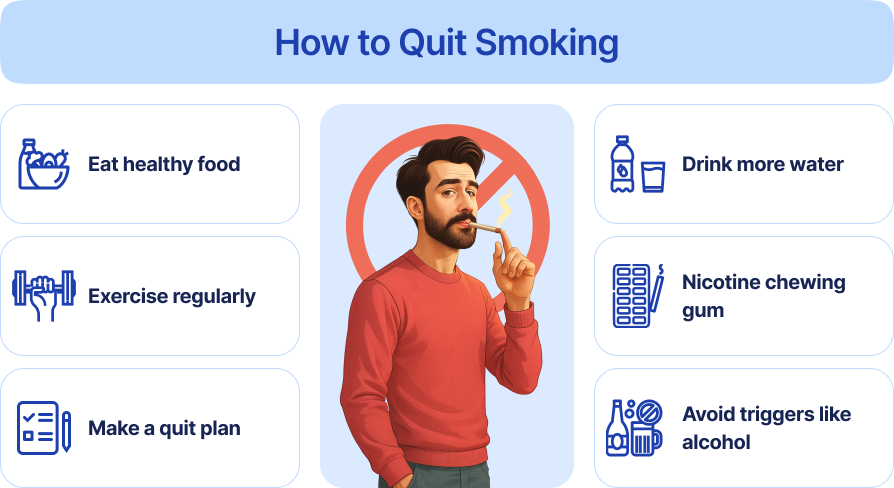
Beyond wearables, smoking cessation also requires real lifestyle changes. Here are some habits that help:
1. Exercise
Physical activity helps in many ways. It lowers withdrawal symptoms like anxiety and irritability. Exercise releases endorphins, which improve mood. It also strengthens your heart and helps prevent weight gain after quitting. Aim for at least 30 minutes of aerobic exercise like walking, cycling, or swimming, most days of the week.
2. Healthy Eating
A diet full of fruits, vegetables, nuts, and whole grains provides antioxidants that fight damage caused by smoking. Vitamins like C and E help reduce inflammation. Avoid too much caffeine and alcohol, as they can trigger cravings or weaken your willpower.
3. Stress Management
Stress is a major cause of relapse. Techniques like deep breathing, mindfulness, and meditation help reduce stress and improve focus. Many wearable apps offer guided sessions to practice these methods exactly when you need them.
4. Better Sleep
Sleep is crucial for controlling cravings and making good decisions. Poor sleep makes you more likely to relapse. Try to keep a regular sleep schedule, avoid screens before bedtime, and create a calm environment to rest.
5. Avoiding Triggers
Changing your daily routine, avoiding places or people that make you want to smoke, and building a support network all help reduce exposure to smoking cues.
Challenges and Future Possibilities for Wearables and Smoking Cessation
While wearable technology is promising, it still has challenges:
- Sensor Accuracy: Devices can sometimes give false readings, especially when worn differently or affected by the environment. Improving sensors and the AI that interprets data is ongoing work.
- Privacy and Security: Your health data is private and sensitive. Companies must protect it with strong security and clear policies to earn your trust.
- Staying Motivated: Using wearables and apps regularly is key to success. Features like reminders, gamification, and personalized feedback help keep users engaged.
- Clinical Integration: Combining AI-powered wearables with medical treatment and counseling offers the best results. Doctors can use the data to better guide patients.
Research is also exploring new ways to detect smoking, like sensors that measure chemicals in sweat or breath. Making these technologies affordable and accessible will help more people quit smoking worldwide.
Final Thoughts
Smoking causes serious damage to your heart and blood vessels. It does this through inflammation, narrowing of arteries, thicker blood, and unhealthy cholesterol. Quitting smoking cuts your risk of heart disease quickly and continues to improve your health over the years.
Wearable devices act as an additional layer of support by monitoring your body in real-time and helping manage cravings and stress. When combined with lifestyle changes like exercise, good nutrition, stress control, and better sleep, they increase your chances of quitting successfully.
If you or someone you care about wants to quit smoking, Helius Wellness recommends using these tools along with healthy habits can protect the heart and lead to a healthier, smoke-free life.
India’s first AI-powered NCD diagnostics network.